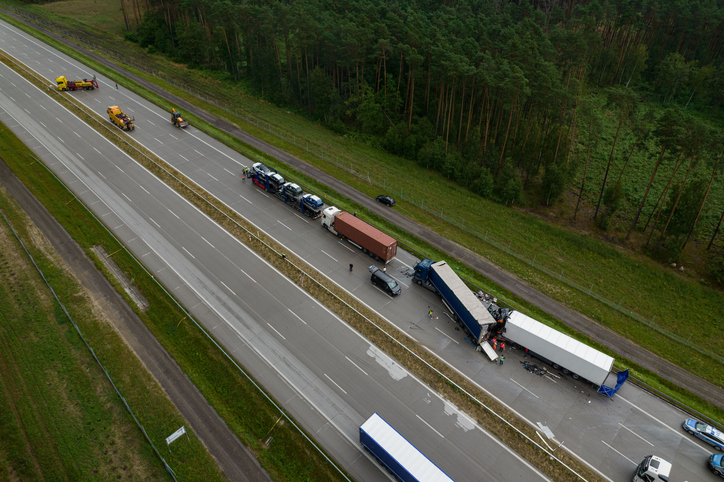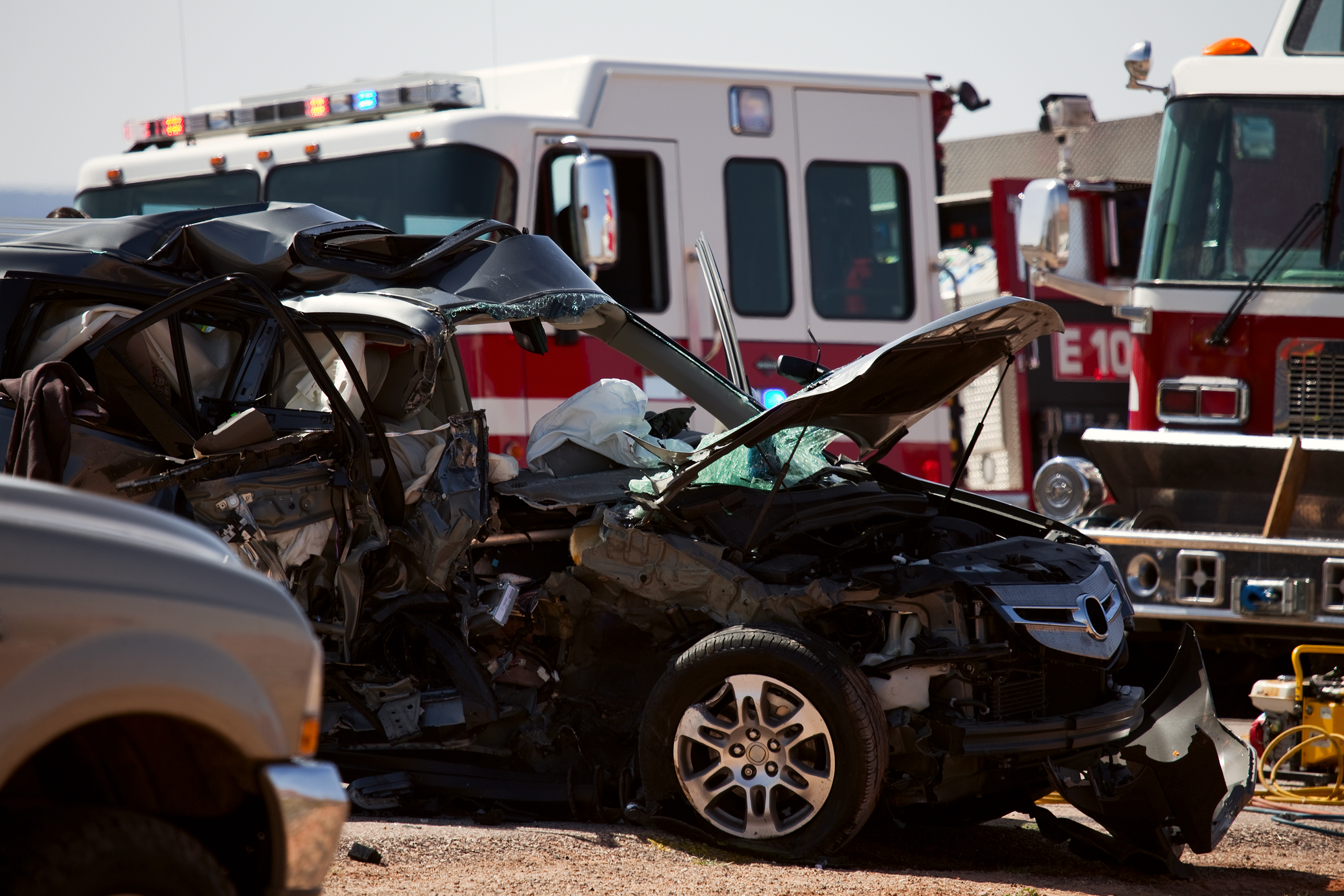
Multi-vehicle crashes are among the most complicated types of motor vehicle collisions. Unlike a crash involving only two vehicles, these incidents often leave investigators, insurance companies, and injured drivers sorting through several versions of what happened. When multiple drivers, passengers, and vehicles are involved, determining who is responsible can become a lengthy process.
For Memphis drivers, understanding how fault is established after a multi-vehicle crash can help protect both their legal rights and their ability to pursue compensation for injuries and property damage. Whether a collision occurs on Interstate 40, Interstate 55, or a busy city street during rush hour, knowing what information matters can make a meaningful difference as a claim moves forward.
Why Multi-Vehicle Crashes Are More Complex
A chain-reaction collision rarely has a simple explanation. While one driver’s actions may have triggered the initial impact, several other factors can contribute to the severity of the crash.
Examples include:
- Sudden stops in heavy traffic
- Distracted driving
- Following another vehicle too closely
- Speeding
- Unsafe lane changes
- Poor weather conditions
- Limited visibility
- Commercial vehicle involvement
In some situations, one driver may bear most of the responsibility. In others, fault may be shared among multiple parties depending on how each driver’s actions contributed to the collision.
Because every crash presents unique circumstances, investigators typically examine the entire sequence of events rather than focusing solely on the initial impact.
How Fault Is Determined
After a multi-vehicle crash, insurance companies and investigators begin collecting evidence to reconstruct what happened.
This process may include reviewing:
- Police reports
- Photographs from the crash scene
- Vehicle damage
- Witness statements
- Dash camera footage
- Traffic camera recordings
- Cell phone records are obtained when distracted driving is suspected
- Accident reconstruction findings
- Roadway conditions
Rather than relying on a single piece of evidence, adjusters often compare multiple sources before reaching conclusions about liability.
When several vehicles are involved, even small details can become important. The location of vehicle damage, skid marks, debris patterns, and eyewitness accounts may all help establish how the collision unfolded.
Why Insurance Companies May Disagree
One of the biggest frustrations following a multi-vehicle crash is that insurance companies do not always agree about fault.
Each insurer is responsible for protecting its own policyholders’ interests. As a result, adjusters may interpret evidence differently or argue that another driver shares greater responsibility.
This can lead to:
- Delays in claim resolution
- Multiple investigations
- Disputes over liability
- Conflicting statements
- Requests for additional documentation
For injured drivers, these disagreements can make an already stressful situation even more overwhelming.
The Importance of Evidence Immediately After the Crash
The moments following a collision are often chaotic, but gathering information whenever it is safe to do so can help preserve valuable evidence.
Drivers should consider:
- Calling law enforcement
- Photographing all vehicles from multiple angles
- Documenting road conditions
- Obtaining contact information from witnesses
- Exchanging insurance information with other drivers
- Seeking medical evaluation, even if injuries appear minor
Medical records created shortly after a crash may also become important if injuries worsen over time.
Keeping copies of repair estimates, medical bills, correspondence with insurers, and other documentation can also help organize a potential claim.
Multiple Drivers May Share Responsibility
Many people assume that only one driver can be held responsible after a collision. However, that is not always the case.
For example, one driver may have caused the initial collision by braking suddenly, while another driver may have been following too closely and contributed to additional impacts. A third driver may have been distracted and unable to avoid striking the vehicles ahead.
Each driver’s actions are evaluated individually to determine whether they contributed to the overall crash.
Because liability is not always clear-cut, determining fault often requires careful analysis rather than quick assumptions.
Why Prompt Action Matters
Evidence does not remain available forever.
Vehicle damage may be repaired, surveillance footage may be erased, witnesses may become difficult to locate, and memories naturally fade over time.
Seeking legal guidance early can help ensure that important evidence is identified and preserved before it disappears.
An attorney can also communicate with insurance companies, review available evidence, and help clients understand their legal options throughout the claims process.
Understanding Your Options After a Multi-Vehicle Crash
No two multi-vehicle crashes are exactly alike. The number of vehicles involved, the available evidence, and the circumstances leading up to the collision all play a role in determining liability.
If you have been injured in a multi-vehicle crash in Memphis or North Mississippi, understanding how fault is evaluated is an important first step toward protecting your interests. While the claims process may seem complicated, having experienced legal guidance can help you navigate insurance investigations and pursue the information needed to move your case forward.
Fighting For Auto Accident Victims
If you have questions about your rights after a multi-vehicle crash, contact Stroud, Flechas & Dalton today at (662) 371-6580 to discuss your situation and learn how our team can assist you.