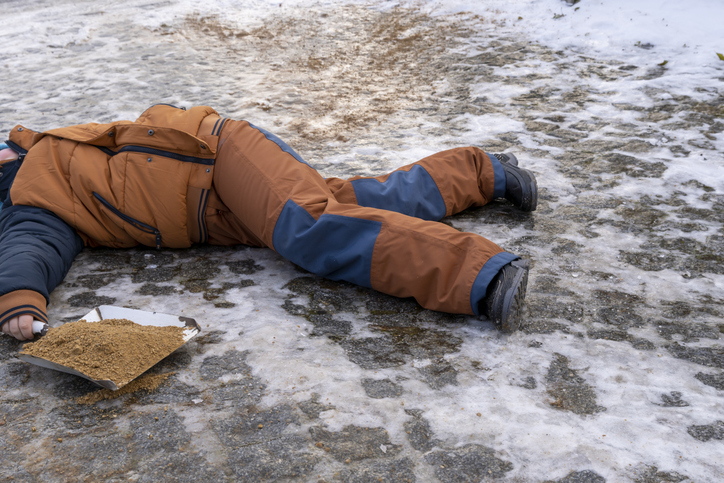
Winter in Mississippi may not bring months of snow, but temperatures can dip low enough for ice to form, especially overnight and in the early morning hours. When that happens, slips and falls can occur quickly and unexpectedly, often resulting in painful and sometimes serious injuries. If you slipped on ice in your own driveway, you may be wondering whether you can file a claim for your injuries and recover compensation for medical bills, lost wages, or other damages.
The answer depends on several factors, and understanding your options can help you protect both your health and your legal rights.
Understanding Liability When You Slip on Your Own Property
Generally speaking, personal injury claims arise when someone is hurt due to another party’s negligence. In most slip-and-fall cases, this means the injured person must demonstrate that the property owner failed to take reasonable steps to keep the area safe. But when the accident occurs on your own property, the analysis becomes more complicated.
If you slipped on ice in your own driveway, there typically isn’t a negligent third party responsible for maintaining that area. Homeowners are typically responsible for maintaining their own driveways and walkways, including clearing hazards such as ice when possible. Because of this, claims directly against another person are uncommon unless someone else created or contributed to the dangerous condition.
However, that does not mean you are without options. In fact, depending on the circumstances, you may still be entitled to financial recovery.
Can Homeowners Insurance Help?
Many homeowners are surprised to learn that their own insurance may offer coverage for injuries they sustain on their property. Depending on your policy, you may be able to file a claim under your medical payments coverage. This type of coverage does not require you to prove fault; instead, it may help pay for medical expenses resulting from your fall.
Other parts of your policy may also come into play, depending on the circumstances of your accident. A detailed review of your coverage can help determine whether you are eligible for financial assistance.
What If Someone Else Contributed to the Hazard?
While slipping on ice in your own driveway might seem straightforward, there are situations where another party may share responsibility. For example:
- If a contractor recently completed work on your property and left grading, drainage, or runoff issues that caused water to pool and freeze
- If a commercial product—such as a defective de-icing agent or snow-melt device—failed due to a manufacturing flaw
- If a neighbor’s actions redirected water onto your driveway, creating the icy conditions
In these situations, a third party could be liable for creating or contributing to the hazard that led to your injuries. Determining liability requires a careful investigation, and an experienced personal injury attorney can help identify whether another party’s negligence played a role.
Why Medical Treatment Matters
Even when the injury seems minor, slipping on ice can cause significant harm. Soft-tissue injuries, fractures, back injuries, and concussions are common and may not fully reveal themselves until hours or days after the fall. Seeking prompt medical care protects your health, creates documentation of your injury, and supports any potential claim you may pursue.
Should You Speak With an Attorney?
If you were injured in a slip-and-fall accident on your property, speaking with a personal injury attorney can provide much-needed clarity. Every situation is unique, and an attorney can help determine whether you have a viable claim, whether insurance coverage is available, and what steps to take next. You shouldn’t have to navigate medical expenses and recovery on your own—especially when options for compensation may be available.
Mississippi Personal Injury Lawyers
If you or a loved one slipped on ice and suffered an injury, Stroud, Flechas & Dalton is here to help. Our team provides experienced and thoughtful guidance, evaluating your situation to determine the best path forward for you. Contact us today at (662) 371-6580 to discuss your case and learn how we can support you during your recovery.