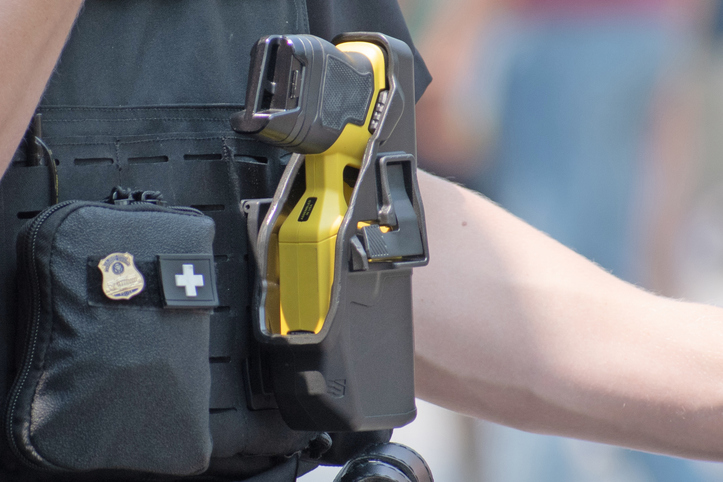
Law enforcement officers in Mississippi and across the country are authorized to use certain tools to maintain order and ensure public safety. One of the most common is the Taser — a device that delivers an electrical charge designed to temporarily incapacitate a person. While Tasers are often promoted as “less lethal” alternatives to firearms, their use is still heavily regulated.
Understanding when a Taser may not be used is critical for officers and individuals who may encounter law enforcement. In some situations, the misuse of a Taser could amount to excessive force, raising serious civil rights concerns.
When Tasers Are Generally Inappropriate
The courts have recognized that Tasers, like other use-of-force tools, cannot be applied indiscriminately. A few situations where Tasers may not be appropriate include:
1. Against a Non-Threatening Individual
If a person is unarmed, not resisting arrest, and poses no immediate danger to the officer or others, deploying a Taser can be considered excessive. Officers are expected to use the least amount of force necessary under the circumstances.
2. After a Suspect Has Been Restrained
The justification for using a Taser disappears once someone is handcuffed or otherwise subdued. Continued use at that point could be viewed as punishment rather than necessary force — something prohibited by the Constitution.
3. In Response to Verbal Resistance Only
Disagreeing with an officer, using harsh language, or refusing to answer questions does not justify using a Taser. While such behavior may be frustrating, it is not a valid legal basis for deploying electrical force.
4. On Vulnerable Individuals
The use of Tasers against children, the elderly, or visibly pregnant individuals is particularly scrutinized. Courts have recognized that the risk of serious injury is higher, and the threshold for justification is much greater.
Civil Rights and Excessive Force
Under federal law — specifically 42 U.S.C. § 1983 — individuals may file a civil rights lawsuit if a law enforcement officer violates their constitutional protections. The use of a Taser unlawfully or excessively may qualify as a violation of the Fourth Amendment’s protection against unreasonable seizures.
When courts evaluate these cases, they typically ask:
- Was the individual actively resisting arrest or posing a threat?
- Was the officer in immediate danger?
- Were there alternative, less forceful options available?
If the answers point to unnecessary or excessive use, the victim may have grounds to pursue legal action.
The Serious Consequences of Improper Taser Use
Although marketed as “non-lethal,” Tasers can cause significant harm. Victims have reported lasting injuries, including heart complications, burns, or neurological issues. In rare but tragic cases, Taser use has been linked to death.
Because of these risks, improper use undermines community trust and creates liability for the officer and their department.
What to Do if You Believe a Taser Was Misused
If you or a loved one has been subjected to what you believe was excessive or unnecessary Taser use, it’s important to act quickly:
- Seek medical care for any injuries.
- Document everything, including photos, videos, or witness information.
- Request legal guidance from a firm experienced in civil rights cases.
These cases can be complex and often involve litigation against government agencies. It is crucial to have a lawyer who understands both the law and the practical realities of excessive force claims.
Taser Abuse and Excessive Force by Police or Jailors in Mississippi
At Stroud, Flechas & Dalton, we stand up for people whose constitutional rights have been violated. Our attorneys represent individuals across DeSoto County, North Mississippi, and the Memphis metro area in cases involving excessive force and civil rights abuses.
If you believe a Taser was misused against you or someone you care about, don’t wait. Contact us today at (662) 371-6580 for a confidential consultation. We’ll review your case and fight to protect your rights.